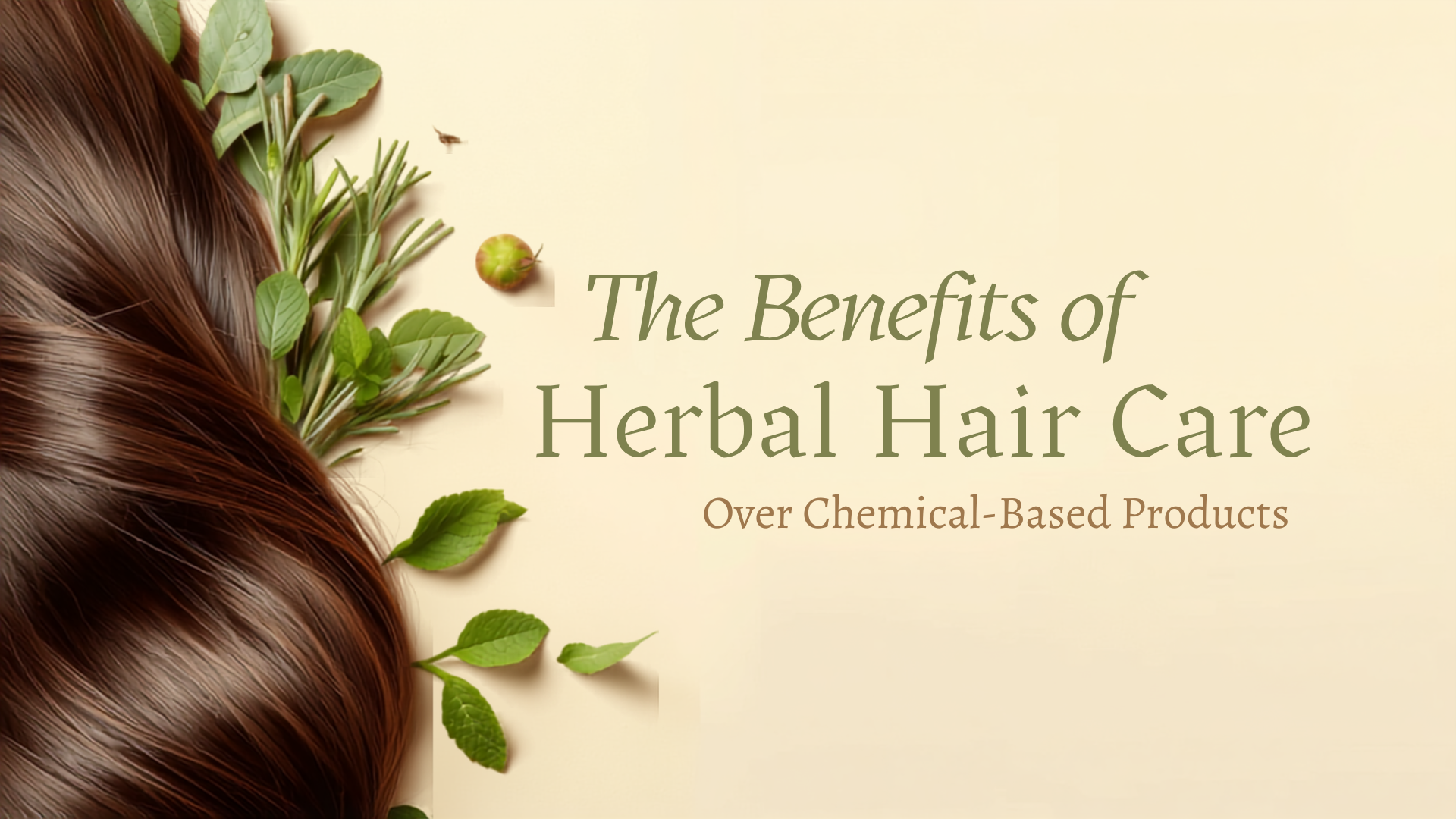
The Benefits of Herbal Hair Care Over Chemical-Based Products
-
admin
- Posted on
- 0 comments
Walk down any beauty aisle and you’ll find shelves packed with shampoos, conditioners, and serums promising shinier, thicker, longer hair overnight. Most of these products rely on synthetic chemicals — sulfates, parabens, silicones — to deliver quick results. But quick doesn’t always mean good, especially for your scalp and strands in the long run. This is why more people are returning to herbal hair care, a tradition rooted in centuries-old wisdom that treats hair health as a long-term relationship rather than a one-time fix.
In this article, we’ll break down the real differences between herbal and chemical hair care, and why natural ingredients continue to hold their ground even in a market flooded with lab-made alternatives.
Herbal vs Chemical Hair Care: What’s the Real Difference?
The core distinction in the herbal vs chemical hair care debate comes down to how each approach interacts with your hair and scalp.
Chemical-based products are typically designed for immediate, visible effects — instant shine, foam, or smoothness. To achieve this, they often use harsh surfactants like sodium lauryl sulfate, along with synthetic fragrances and preservatives. These ingredients can strip natural oils, disrupt the scalp’s pH balance, and, with repeated use, lead to dryness, irritation, or weakened hair follicles.
Herbal hair care products, on the other hand, work with your hair’s natural biology rather than against it. Ingredients like amla, shikakai, hibiscus, and bhringraj nourish the scalp, balance oil production, and strengthen hair from the root. The results may take a little longer to show, but they tend to be more sustainable and less damaging over time.
Benefits of Herbal Hair Products
The benefits of herbal hair products go well beyond just “being natural.” Here’s what sets them apart:
1. Gentler on the scalp Herbal formulations are generally free from harsh detergents, making them suitable for sensitive scalps prone to itching, flaking, or irritation.
2. Nourishment, not just cleansing Many herbal ingredients for hair — such as neem, fenugreek, and amla — carry vitamins, antioxidants, and fatty acids that actively feed the scalp rather than simply washing it.
3. Reduced risk of long-term damage Chemical-free hair care minimizes exposure to sulfates and parabens, which have been linked to scalp sensitivity and hair thinning with prolonged use.
4. Support for natural hair texture Herbal products tend to enhance your hair’s natural texture and shine instead of coating it artificially, which is why they blend well into a consistent healthy hair care routine.
5. Environmentally friendlier Most herbal hair care brands lean toward biodegradable ingredients and eco-conscious packaging, aligning personal care with environmental responsibility.
Why Herbal Shampoo Benefits Stand Out
One of the most noticeable herbal shampoo benefits is how it changes the way your scalp feels after just a few washes. Instead of that tight, squeaky-clean sensation — which is often a sign the scalp has been stripped of its natural oils — herbal shampoos usually leave the scalp feeling balanced and soft.
Herbal shampoos infused with ingredients like shikakai and reetha (soap nut) cleanse effectively while retaining natural moisture. This is particularly valuable for people dealing with dryness, dandruff, or color-treated hair, where chemical shampoos can accelerate damage.
Natural Hair Care Products for a Sustainable Routine
Building a routine around natural hair care products doesn’t mean giving up effectiveness. It means choosing ingredients that support your hair over months and years, not just for a single wash day. A few staples worth including:
- Amla (Indian gooseberry): Rich in vitamin C, known to strengthen hair and reduce breakage.
- Shikakai: A natural cleanser that removes buildup without stripping oils.
- Bhringraj: Traditionally used to stimulate hair growth and reduce hair fall.
- Hibiscus: Adds shine and softness while supporting scalp circulation.
These natural hair care solutions work best when used consistently, much like how a balanced diet benefits the body over time rather than overnight.
Making the Switch: What to Expect
If you’re transitioning from chemical-based products to herbal alternatives, patience is key. Your scalp may go through a brief adjustment period as it recalibrates natural oil production. Stick with it for at least four to six weeks before judging results — herbal hair care is a gradual investment, not an instant transformation.
Final Thoughts
The appeal of herbal hair care isn’t nostalgia — it’s substance. As awareness grows around the long-term effects of harsh chemicals, more people are rediscovering what generations before them already knew: nature-based ingredients, used consistently, build genuinely healthier hair. Whether it’s a herbal shampoo, an amla-infused oil, or a shikakai-based cleanser, the shift toward chemical-free hair care is less a trend and more a return to what actually works.
Frequently Asked Questions
1. Is herbal hair care really better than chemical-based products?
Herbal hair care tends to be gentler and better for long-term scalp health since it avoids harsh sulfates and parabens. Chemical products may show faster cosmetic results, but herbal alternatives generally support hair health more sustainably over time.
2. How long does it take to see results from herbal hair care products?
Most people notice visible improvements — like reduced hair fall or improved scalp comfort — within four to six weeks of consistent use, since herbal ingredients work gradually rather than instantly.
3. Can herbal shampoos effectively clean oily hair?
Yes. Ingredients like shikakai and reetha are natural cleansers that remove excess oil and buildup effectively, without over-stripping the scalp the way some sulfate-based shampoos can.
4. Are herbal hair care products suitable for all hair types?
Generally, yes. Because herbal ingredients are gentle and nourishing, they suit most hair types, including sensitive scalps, dry hair, and color-treated hair. It’s still worth patch-testing new ingredients if you have specific sensitivities.
5. Do chemical-free hair care products cost more than regular ones?
Pricing varies by brand, but many natural hair care products are comparably priced to mainstream options. Considering the potential for reduced long-term scalp damage, herbal care can also be viewed as a worthwhile investment in hair health.