
Is Sunscreen Lotion Good for Oily Skin? Everything You Need to Know
-
admin
- Posted on
- 0 comments
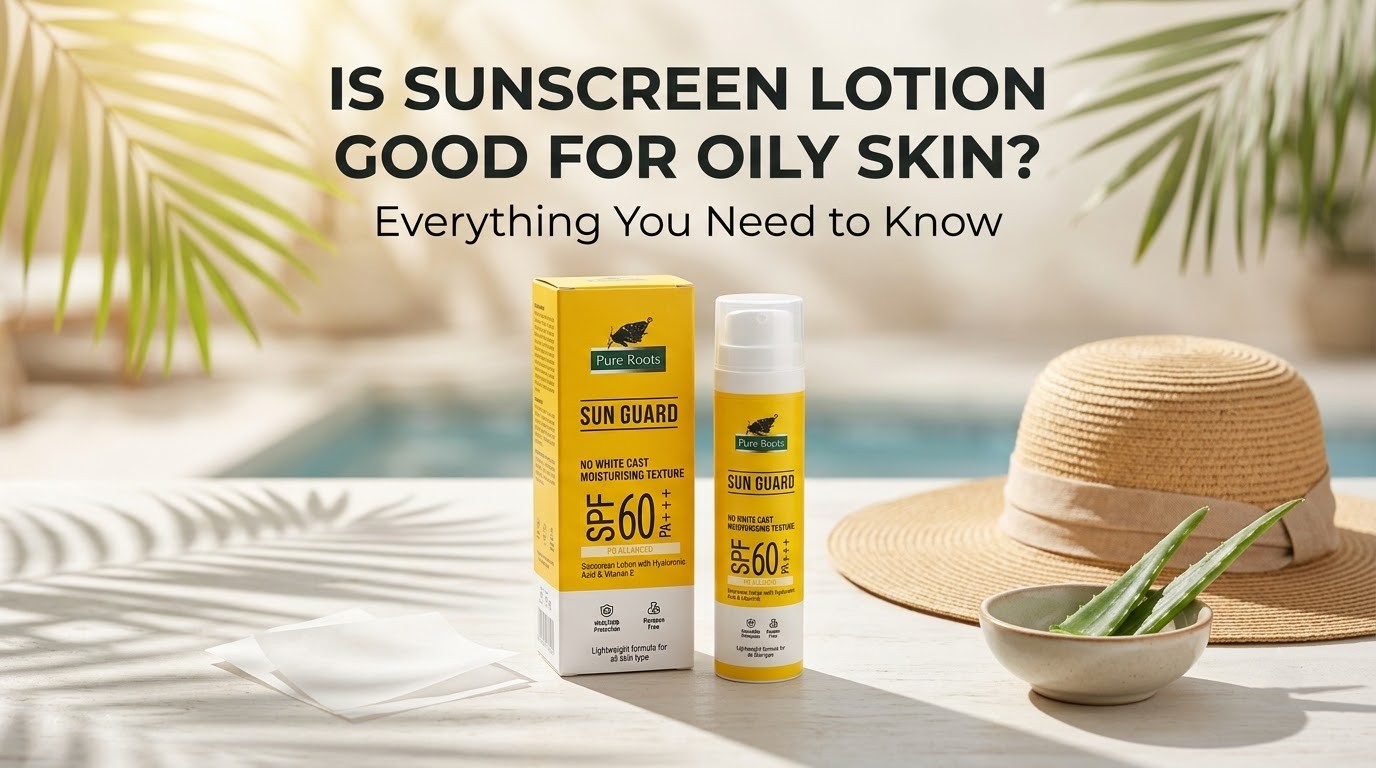
Quick answer: Yes, sunscreen lotion is good for oily skin, and skipping it is worse for oil control than wearing it. The problem was never sunscreen itself. It was heavy, occlusive formulas — the kind loaded with coconut oil, petrolatum, or thick silicones — sitting on top of skin that already produces excess sebum. Switch to a lightweight, oil-free, non-comedogenic sunscreen with SPF 30 or higher, and shine, breakouts, and sun damage all become easier to manage at once.
That’s the short version. Here’s what’s actually happening under the surface, and how to pick a formula that won’t turn your face into a grease slick by lunchtime.
Why Oily Skin Still Needs Sunscreen
Oil doesn’t cancel out UV damage. Sebum sits on top of the skin; ultraviolet rays hit the layers underneath it, breaking down collagen and triggering pigment cells regardless of how shiny you look by 2 p.m.
There’s also a specific reason oily and acne-prone skin can’t afford to skip SPF: post-inflammatory hyperpigmentation. Every popped pimple or healing blemish leaves behind a patch of skin that’s more reactive to UV light than the surrounding area. Without daily sunscreen, those marks darken and take months longer to fade — sometimes they don’t fade at all.
The American Academy of Dermatology’s guidance doesn’t carve out an exception for oily skin. It recommends a broad-spectrum, water-resistant sunscreen with SPF 30 or higher for everyone, applied to all skin not covered by clothing, alongside shade and protective clothing.
Does Sunscreen Actually Make Oily Skin Worse?
Not inherently — but a lot of sunscreens are still formulated with dry and normal skin in mind, and that’s where the reputation comes from. Heavier emollients and occlusive ingredients like petrolatum and certain silicones create a barrier that holds in heat, sweat, and existing oil. On already-oily skin, that reads as instant shine and, for some people, breakouts within days.
Two things are true at once here. First, oily skin can burn, develop sun damage, and age just like any other skin type — sebum offers no meaningful UV protection on its own. Second, the wrong sunscreen texture genuinely does make oiliness worse. Both facts point to the same conclusion: the fix is formula selection, not avoidance.
Mineral vs. Chemical Sunscreen: Which Is Better for Oily Skin?
Neither type is automatically superior, but they behave differently on oily skin.
Mineral (physical) sunscreens: use zinc oxide or titanium dioxide to sit on top of the skin and reflect UV rays. Zinc oxide in particular provides protection the moment it’s applied, doesn’t need to “activate,” and is less likely to irritate reactive or acne-prone skin. The trade-off is a heavier base and, in some formulas, a white cast — though modern micronized and tinted versions have largely solved that.
Chemical sunscreens: absorb UV rays and convert them to heat, using filters like avobenzone or octinoxate. They tend to sit thinner and blend in without a cast, which is why many gel and fluid formulas marketed for oily skin lean chemical. Some dermatologists still favor mineral formulas for oily and blemish-prone patients specifically because they’re less likely to sit inside the pore.
The practical takeaway: don’t pick a category and stop there. A well-formulated product in either camp will outperform a poorly formulated one in the other. Read the full ingredient list, not just the front-label claim.
Ingredients That Actually Help Oily Skin
A handful of ingredients show up again and again in sunscreens dermatologists recommend for oily and acne-prone skin, and they’re doing real work rather than just marketing:
- Zinc oxide — broad-spectrum mineral protection with a low irritation profile.
- Niacinamide (vitamin B3) — regulates sebum production and calms inflammation. Formulations using 2–5% niacinamide are associated with reduced oil output and improved texture over time.
- Silica or other mattifying powders — absorb surface oil throughout the day without clogging pores.
- Lightweight humectants (glycerin, hyaluronic acid) — keep the skin barrier hydrated so it doesn’t overcompensate by producing even more oil.
Ingredients to Watch For
The comedogenic scale ranks ingredients from 0 (won’t clog pores) to 5 (highly likely to clog pores). It isn’t a perfect system — skin reacts individually — but it’s a useful starting filter. Ingredients that show up on the higher end and are worth avoiding on oily, breakout-prone skin include:
- Coconut oil, cocoa butter, and other heavy plant butters
- Petrolatum and mineral oil in thick concentrations
- Isopropyl myristate and isopropyl palmitate, fatty esters linked to follicular plugging in some research on acne cosmetica
- Dense silicone bases that leave a film rather than absorbing
If a sunscreen lists any of these near the top of the ingredient panel, expect it to sit heavier on oily skin, even if the label says “for all skin types.”
How to Apply Sunscreen on Oily Skin Without the Grease
- Cleanse first: Apply sunscreen to a clean, dry face — oil and residual product underneath it can affect how evenly it sits.
- Use a full amount: A thin layer defeats the SPF rating printed on the bottle. The standard guidance is roughly a nickel-sized amount for the face; skimping to avoid shine also means skimping on protection.
- Let it set before makeup: Give a gel or fluid formula 60–90 seconds to absorb before layering anything on top, which reduces pilling and the greasy slide midday.
- Reapply every two hours in direct sun: SPF isn’t a once-a-day shield. At SPF 30, roughly 3% of UVB rays still reach the skin; at SPF 50, that drops to about 2%, and both numbers assume full, even, repeated application.
- Blot, don’t wipe, midday shine: Blotting papers remove surface oil without disturbing the sunscreen film underneath. A powder sunscreen with SPF can also be pressed on top for touch-ups over makeup.
Does Sunscreen Cause Acne?
Sunscreen itself doesn’t cause acne. A formula with pore-clogging ingredients on skin that’s already prone to congestion can contribute to breakouts, which is a formulation problem, not a category problem. Non-comedogenic sunscreen is specifically tested to avoid triggering the clogged follicles that lead to whiteheads and blackheads, though even “non-comedogenic” products should be patch-tested since individual skin reacts differently to the same formula.
If you’ve had a reaction to sunscreen before, check the ingredient list for fragrance, alcohol, heavy emollients, or the preservatives common to that product — these are the most frequent irritants in SPF reactions, more often than the UV filter itself.
Gel, Fluid, or Lotion: Which Texture Fits Oily Skin?
- Gel sunscreens tend to be the lightest option and absorb fastest, making them a common first pick for oily and acne-prone skin.
- Fluid or serum sunscreens sit between a gel and a lotion — thin enough not to feel heavy, but with enough emollient to layer under makeup smoothly.
- Traditional lotions aren’t off-limits, but check that they’re labeled oil-free and non-comedogenic rather than assuming “lotion” automatically means heavier.
The word on the label that matters more than the texture category is “oil-free” or “non-comedogenic” — those are the claims tied to actual formulation choices, not marketing shorthand.
The Bottom Line
Oily skin doesn’t need less sun protection — it needs a better-matched formula. Look for broad-spectrum SPF 30 or higher, oil-free and non-comedogenic on the label, and ingredients like niacinamide or zinc oxide doing double duty for oil control. Skip the heavy emollients and fatty esters that show up higher on the comedogenic scale. Applied consistently, sunscreen becomes one of the few skincare steps that protects against sun damage, hyperpigmentation, and premature aging all at once — oily skin included.
Frequently Asked Questions
Is SPF 30 enough for oily skin, or should I use SPF 50?
SPF 30 meets the AAD’s daily minimum and blocks about 97% of UVB rays with correct application. SPF 50 blocks slightly more, around 98%, which matters more for extended outdoor time than for a normal indoor day. For oily skin, formula and reapplication matter more than chasing a higher SPF number.
Can I skip moisturizer and just use sunscreen if my skin is oily?
Sunscreen isn’t formulated to replace a moisturizer’s hydrating function, and skipping hydration can push oily skin to overproduce sebum to compensate. A lightweight, oil-free moisturizer underneath a sunscreen still outperforms sunscreen alone for most oily skin types.
Will sunscreen make my oily skin shinier throughout the day?
It depends entirely on the formula. Occlusive, emollient-heavy sunscreens will add shine on oily skin. Gel or fluid sunscreens with mattifying ingredients like silica or niacinamide are built to reduce shine, not add to it.
Is mineral sunscreen better than chemical sunscreen for acne-prone skin?
Mineral sunscreen with zinc oxide is often recommended first for acne-prone skin because it’s less likely to irritate compromised skin and sits on the surface rather than absorbing in. Chemical sunscreens aren’t automatically worse — plenty of oil-free chemical formulas work well — but zinc oxide has the stronger track record for sensitive, breakout-prone skin specifically.
Do I need a separate sunscreen if I already use a moisturizer with SPF?
An SPF moisturizer can work if it meets the SPF 30+, broad-spectrum threshold and you apply enough of it — most people apply too little moisturizer to hit the tested SPF level. A dedicated sunscreen, applied in its own step, makes it easier to use the full amount needed for real protection.