
How to Treat Sun Tan at Home: A Simple Skincare Guide
-
admin
- Posted on
- 0 comments
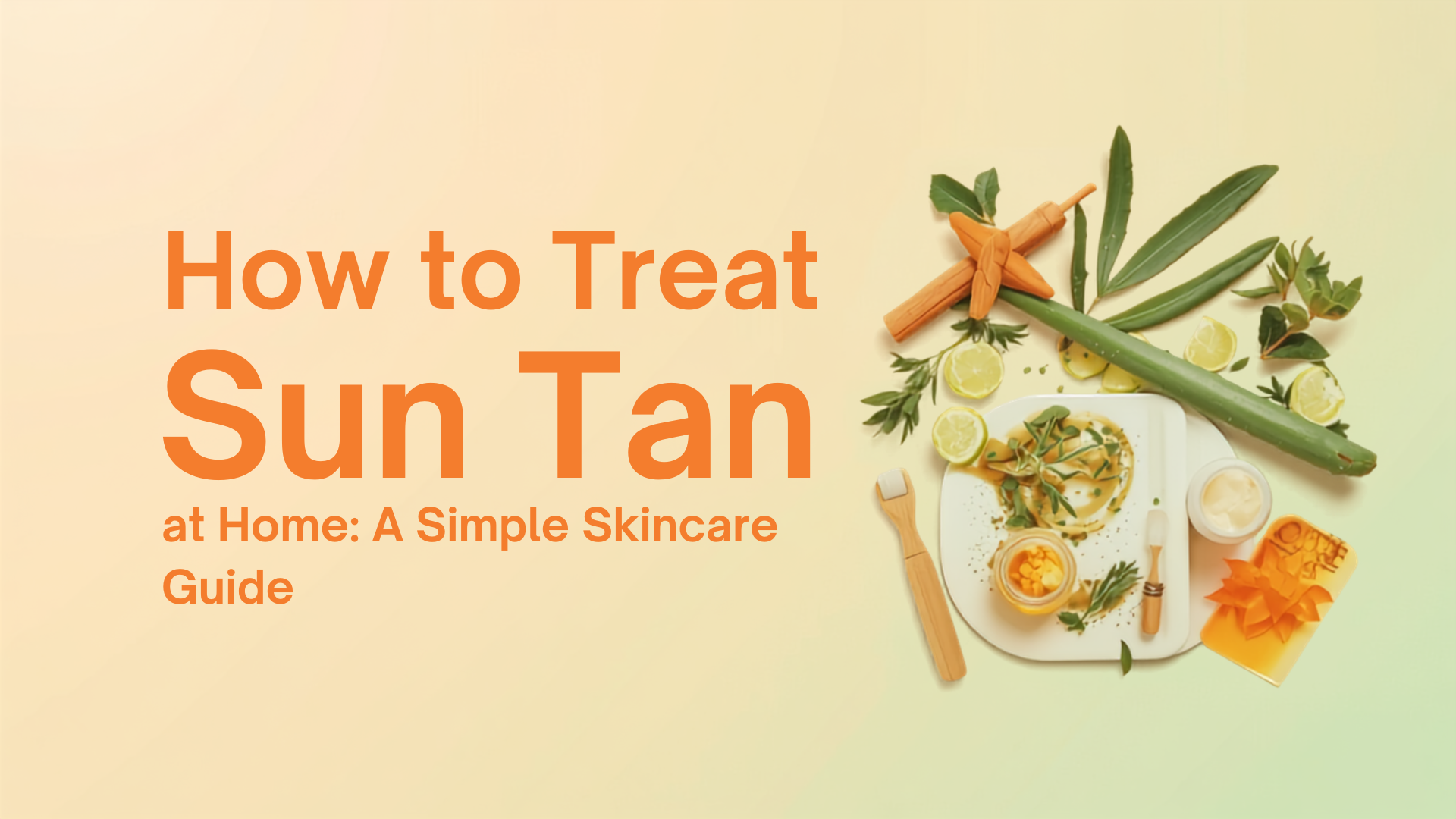
Stepping out into the sun for even a short while can leave your skin looking darker, patchy, and uneven within days. If you’ve been wondering how to remove a sun tan without spending money on expensive salon treatments, you’re not alone. The good news is that most tanning is superficial and temporary, and with the right sun tan treatment at home, you can restore your natural skin tone using ingredients you probably already have in your kitchen.
This guide walks you through practical, easy-to-follow home remedies for sun tan, along with tips to prevent tanning in the future and build a solid sun tan skincare routine.
What Causes Sun Tan?
Sun tan happens when your skin is exposed to ultraviolet (UV) rays, triggering the production of melanin — the pigment responsible for skin color. Melanin acts as a natural shield against UV damage, but the visible result is darker, sometimes uneven skin. Areas like the face, neck, arms, and hands are most commonly affected since they get the most sun exposure.
While a tan usually fades on its own as skin cells renew, this process can take weeks. If you want faster, visible results, a few simple tan removal tips can speed things up significantly.
Effective Home Remedies for Sun Tan
1. Lemon and Honey Mask
Lemon is a natural bleaching agent thanks to its citric acid content, while honey soothes and moisturizes the skin. Mix equal parts lemon juice and honey, apply to tanned areas for 15 minutes, then rinse with cool water. Use this once or twice a week, and always follow up with sunscreen since lemon can increase sun sensitivity.
2. Tomato Pulp
Tomatoes contain lycopene, an antioxidant that helps lighten tanned skin and reduce sun damage. Mash a ripe tomato and apply the pulp directly to your skin for about 10-15 minutes before washing off. This is one of the simplest natural tan removal methods and works well for sensitive skin too.
3. Yogurt and Turmeric Paste
Yogurt contains lactic acid, which gently exfoliates dead, tanned skin cells, while turmeric has anti-inflammatory and brightening properties. Combine a tablespoon of yogurt with a pinch of turmeric, apply for 20 minutes, and rinse. This combination is gentle enough for regular use and helps even out skin tone over time.
4. Aloe Vera Gel
Aloe vera is well known for its cooling and healing properties. If your skin feels sunburned along with being tanned, fresh aloe vera gel can calm irritation while gradually helping to fade discoloration. Apply it directly from the leaf or use a pure, store-bought gel.
5. Potato Juice
Potatoes contain natural enzymes that act as a mild bleaching agent. Grate a potato, extract the juice, and dab it onto tanned areas using a cotton ball. Leave it on for 10-15 minutes before rinsing. This is a gentle option for those looking for how to get rid of tanning without harsh chemicals.
6. Oatmeal and Buttermilk Scrub
Oatmeal works as a natural exfoliant, buttermilk contains lactic acid that lightens skin, and together they make an effective scrub for removing tanned, dead skin cells. Mix ground oats with buttermilk to form a paste, gently scrub in circular motions, and rinse with lukewarm water.
Building a Sun Tan Skincare Routine
Treating tan is only half the job — preventing it and maintaining even-toned skin requires consistency. Here’s a simple routine to follow:
- Cleanse twice daily with a mild, sulfate-free cleanser to remove impurities without stripping natural oils.
- Exfoliate two to three times a week to slough off tanned, dead skin cells and reveal fresher skin underneath.
- Moisturize daily to keep skin hydrated, since dry skin tends to look more tanned and uneven.
- Apply sunscreen with at least SPF 30 every morning, even on cloudy days, and reapply every 3-4 hours if you’re outdoors.
- Hydrate from within by drinking enough water, as well-hydrated skin repairs and regenerates faster.
Tips to Prevent Sun Tan
Prevention is always easier than treatment. Along with sunscreen, cover exposed skin with scarves, hats, and full-sleeved clothing when stepping out during peak sun hours (typically 10 a.m. to 4 p.m.). Antioxidant-rich foods like berries, citrus fruits, and leafy greens can also strengthen your skin’s natural defense against UV damage from the inside out.
When to See a Dermatologist
Most tans are harmless and fade with basic home care. However, if you notice persistent redness, blistering, unusual dark patches that don’t fade, or skin that feels painful to touch, it’s best to consult a dermatologist rather than relying solely on home treatments.
Final Thoughts
Sun tan is a natural response to UV exposure, and while it can be frustrating, it’s usually easy to manage with consistent care. Simple kitchen ingredients like lemon, tomato, yogurt, and potato can go a long way in restoring your skin’s natural glow. Combine these remedies with a solid skincare routine and daily sun protection, and you’ll notice healthier, more even-toned skin over time.
Frequently Asked Questions
1. How long does it take to remove a sun tan naturally?
With consistent use of home remedies like lemon-honey masks or tomato pulp, mild tanning typically starts fading within 1-2 weeks. Deeper tans may take 3-4 weeks of regular treatment.
2. Can I use lemon on my face every day to remove tan?
No, lemon should not be used daily as its acidity can dry out or irritate the skin. Limit use to twice a week and always apply sunscreen afterward, since lemon increases photosensitivity.
3. Is tan removal permanent, or does it come back?
Tan removal remedies lighten existing pigmentation, but new tanning can occur with fresh sun exposure. Daily sunscreen use is essential to maintain results and prevent tan from returning.
4. What is the fastest way to get rid of tanning at home?
A yogurt and turmeric paste combined with regular exfoliation tends to show faster visible results, since lactic acid speeds up skin cell turnover while turmeric brightens the skin.
5. Are home remedies safe for sensitive skin?
Most remedies like aloe vera and tomato pulp are gentle and safe for sensitive skin. However, always do a patch test first, and avoid ingredients like lemon if you experience redness or irritation easily.