
SPF 40 vs SPF 50: Which Sunscreen Should You Actually Be Using?
-
admin
- Posted on
- 0 comments
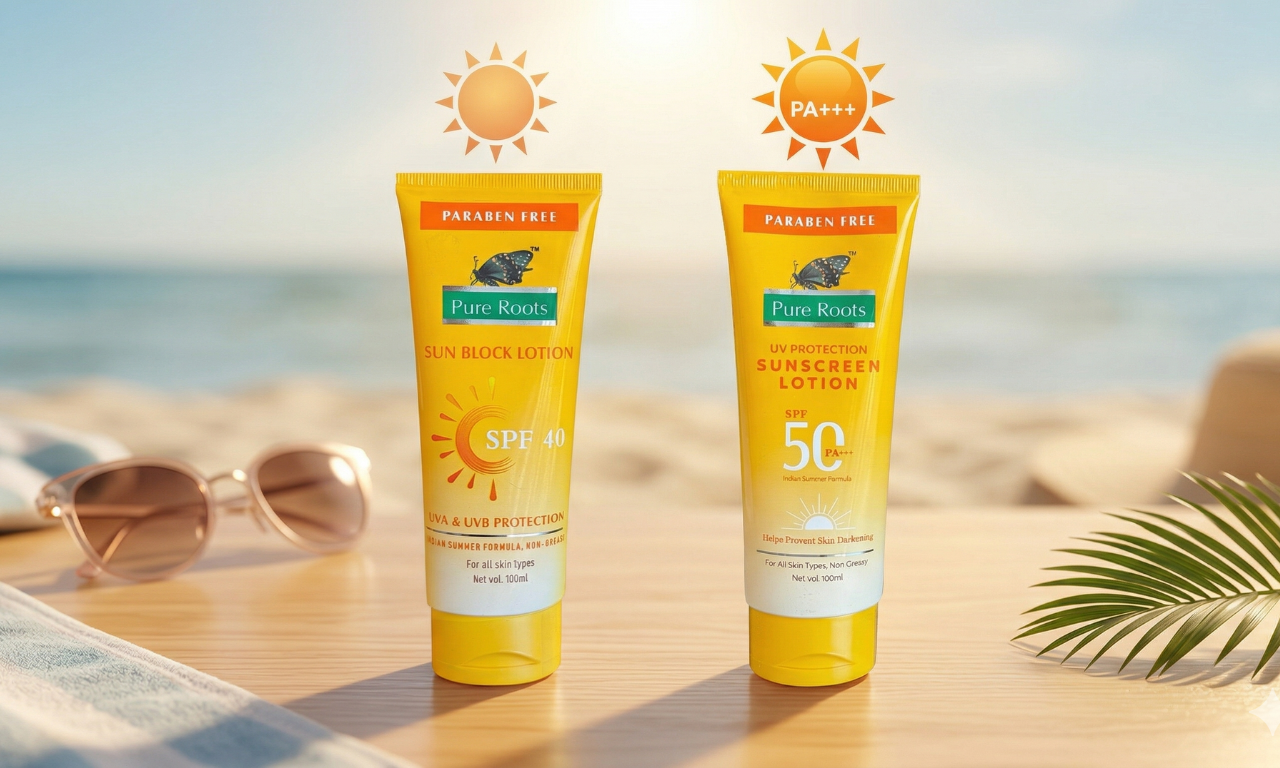
Most people think higher SPF means dramatically better protection. That’s not how it works. The jump from SPF 40 vs SPF 50 looks big on the label, but on your skin, the difference is surprisingly small.
What matters more isn’t just the number. It’s how you apply it, how often you reapply, and whether the sunscreen actually fits your routine.
What SPF Really Means (Without the Confusion)
SPF stands for Sun Protection Factor. It measures how well a sunscreen protects your skin from UVB rays, the ones responsible for sunburn and a major cause of skin cancer.
Here’s the reality:
- SPF 15 blocks about 93% of UVB rays
- SPF 30 blocks about 97%
- SPF 40 blocks about 97.5%
- SPF 50 blocks about 98%
That’s it. SPF 50 only gives about 0.5% more protection than SPF 40.
So if you’re expecting SPF 50 to be dramatically stronger, it isn’t. The difference exists, but it’s marginal.
SPF 40 vs SPF 50: The Real Difference
Let’s break it down without marketing noise.
1. Protection Level
The gap is minimal. SPF 50 filters slightly more UVB rays, but not enough to significantly change your day-to-day exposure.
2. Margin of Error
Here’s where SPF 50 earns its place. Most people:
- Apply too little sunscreen
- Miss spots (ears, neck, hands)
- Forget to reapply
In these cases, SPF 50 acts like a safety buffer. Even if you underapply, you’re still getting slightly better protection than SPF 40.
3. Duration Myth
SPF does not mean you can stay in the sun longer without reapplying.
- Sweat, water, and friction remove sunscreen
- UV exposure accumulates regardless of SPF
Both SPF 40 and SPF 50 need reapplication every 2–3 hours.
When SPF 40 Is Enough
For most people, SPF 40 does the job perfectly well.
Choose SPF 40 if:
- You spend most of your time indoors
- You’re exposed to sunlight briefly (commuting, errands)
- You use sunscreen daily under makeup
- You reapply consistently
In short, if your sun exposure is moderate and controlled, SPF 40 is more than sufficient.
When SPF 50 Makes More Sense
SPF 50 becomes useful when exposure increases or your skin needs extra protection.
Go for SPF 50 if:
- You’re outdoors for long hours (travel, sports, beach days)
- You have sensitive or fair skin that burns easily
- You’re dealing with pigmentation, melasma, or acne marks
- You’re in high UV environments (summer, mountains, coastal areas)
It’s not about “stronger sunscreen.” It’s about reducing risk when conditions are harsher.
The Bigger Problem: People Use Sunscreen Incorrectly
This is where most advice falls apart.
Even the best SPF won’t help if you’re using it wrong.
Common mistakes:
- Applying too little (most people use 25–50% of the required amount)
- Skipping reapplication
- Ignoring areas like eyelids, lips, and neck
- Using sunscreen only on sunny days
Key insight:
A properly applied SPF 40 is more effective than a poorly applied SPF 50.
SPF vs Broad-Spectrum Protection
SPF only measures UVB protection. But UVA rays:
- Penetrate deeper into the skin
- Causes premature aging and pigmentation
- Contribute to skin cancer
So don’t just look at SPF.
Look for:
- “Broad-spectrum” on the label
- PA+++ or PA++++ rating (for UVA protection)
Without this, even SPF 50 isn’t enough.
Texture, Finish, and Real-Life Use
Here’s something most blogs ignore: the best sunscreen is the one you’ll actually use every day.
Higher SPF sunscreens can sometimes feel:
- Thicker
- Greasier
- More likely to leave a white cast
If SPF 50 feels heavy and you skip it, it’s worse than consistently using SPF 40.
Choose based on:
- Skin type (oily, dry, combination)
- Climate (humid vs dry)
- Comfort for daily wear
Consistency beats numbers.
Indian Climate: Why This Choice Matters More
In India, UV exposure is intense for most of the year. Add heat, humidity, and pollution, and your sunscreen has to work harder.
- Sweat reduces sunscreen effectiveness
- Frequent sun exposure increases cumulative damage
- Pollution can worsen pigmentation
In these conditions:
- SPF 40 works for indoor-heavy lifestyles
- SPF 50 is a safer choice for outdoor exposure
But again, reapplication matters more than SPF level.
SPF 40 vs SPF 50: Quick Comparison
| Factor | SPF 40 | SPF 50 |
| UVB Protection | ~97.5% | ~98% |
| Difference | Minimal | Slightly higher |
| Daily Use | Excellent | Excellent |
| Outdoor Use | Good | Better |
| Margin for Error | Lower | Higher |
What Dermatologists Actually Recommend
Most dermatologists don’t obsess over SPF 40 vs 50.
They emphasize:
- Minimum SPF 30
- Broad-spectrum protection
- Reapplication every 2–3 hours
- Using enough quantity
That’s because real-world use matters more than theoretical protection.
So, Which One Should You Actually Use?
Here’s the honest answer:
- If you’re consistent, SPF 40 is enough
- If you’re inconsistent or outdoors more, SPF 50 is safer
The difference isn’t about protection. It’s about behavior.
If you:
- Forget to reapply
- Spend long hours outside
- Want an extra safety margin
Go with SPF 50.
If you:
- Apply properly
- Stay mostly indoors
- Use sunscreen daily without fail
SPF 40 is perfectly fine.
Final Takeaway
The SPF debate is slightly overblown.
The real hierarchy looks like this:
- Using sunscreen daily
- Applying the correct amount
- Reapplying on time
- Choosing broad-spectrum
A disciplined SPF 40 routine beats a careless SPF 50 routine every time.