
Hair Removal Cream vs Waxing vs Shaving – Which Method Is Best for Your Skin Type?
-
admin
- Posted on
- 0 comments
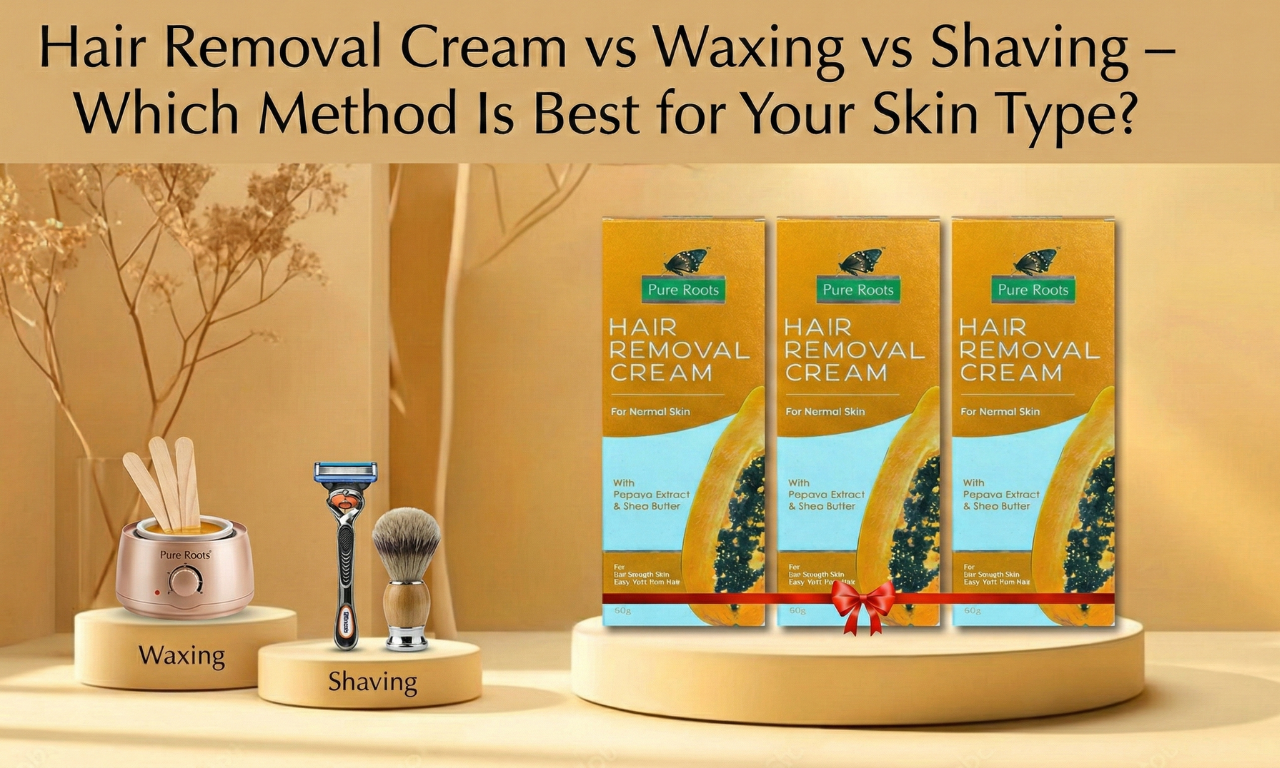
Smooth skin sounds simple. The method you choose decides whether it actually is.
Shaving is fast but short-lived. Waxing lasts longer but hurts. A hair removal cream promises painless results, yet not every skin type tolerates it well. The real question is not which method is popular. It is which one respects your skin.
Here’s a clear, practical breakdown to help you choose wisely.
Understanding the Three Most Popular Hair Removal Methods
Before picking a side, understand how each method works. The mechanism matters because it directly affects your skin barrier.
1. Hair Removal Cream
A hair removal cream works by breaking down the protein structure of hair. The cream sits on the surface for 5–10 minutes, weakens the hair shaft, and allows you to wipe it away.
Best for: Sensitive to moderate skin types, large areas like legs and arms
Results last: 3–7 days
Pros
- Painless when used correctly
- Quick and easy at home
- No risk of cuts
- Affordable compared to salon waxing
Cons
- Strong chemical smell
- Can irritate sensitive skin
- Risk of reaction if left on too long
If you have dry or mildly sensitive skin, a dermatologically tested hair removal cream with soothing ingredients like aloe vera or vitamin E is usually gentler than shaving.
2. Waxing
Waxing removes hair from the root. Warm wax is applied and quickly pulled off, removing the hair follicle entirely.
Best for: Normal to oily skin types
Results last: 3–4 weeks
Pros
- Long-lasting smoothness
- Hair grows back softer over time
- Slower regrowth
Cons
- Painful
- Can cause ingrown hairs
- May irritate acne-prone or sensitive skin
- Risk of burns with hot wax
Waxing is effective, but not ideal if your skin reacts easily. Redness and bumps are common, especially in humid climates, where sweat can aggravate the skin.
3. Shaving
Shaving cuts hair at the skin surface using a razor.
Best for: Quick fixes and emergency grooming
Results last: 1–3 days
Pros
- Fast and convenient
- No chemicals
- Inexpensive
Cons
- Razor burns
- Cuts and nicks
- Faster regrowth
- Risk of ingrown hair
Shaving does not make hair thicker, despite the myth. It only feels coarser because the blunt tip grows back first.
Which Method Is Best for Your Skin Type?
The right choice depends less on trends and more on how your skin behaves.
Sensitive Skin
Sensitive skin reacts quickly. Redness, itching, and burning are common.
Best option: A gentle hair removal cream made for sensitive skin
Why? Because shaving can cause micro-cuts, and waxing can trigger inflammation. Look for creams labeled for sensitive skin and always patch test first.
Avoid strong fragrances and leave the product on only for the recommended time.
Dry Skin
Dry skin lacks natural moisture, making it prone to flakiness and irritation.
Best option: Hair removal cream with moisturizing ingredients
Modern hair removal cream formulas often include shea butter, aloe vera, or glycerin. These help prevent the tight, dry feeling that shaving can cause.
Waxing may strip natural oils, worsening dryness.
Oily Skin
Oily skin tolerates waxing better than dry or sensitive types.
Best option: Waxing
Because oily skin produces more sebum, it can handle the pulling action of waxing with less irritation. The longer-lasting results are also helpful since frequent shaving can clog pores.
Still, proper aftercare matters. Use a soothing gel to reduce inflammation.
Acne-Prone Skin
Hair removal over acne is tricky. Pulling or scraping can worsen breakouts.
Best option: Carefully used hair removal cream
Avoid waxing over active acne. It can tear the skin and spread bacteria. Shaving may also irritate inflamed areas.
Choose a mild formula and avoid rubbing aggressively while removing the cream.
Thick or Coarse Hair
Coarse hair often grows back quickly.
Best option: Waxing for long-term smoothness
Waxing removes hair from the root, so regrowth is slower. However, if pain tolerance is low, a strong hair removal cream formulated for coarse hair can be a practical alternative.
Comparing the Three: Quick Snapshot
| Factor | Hair Removal Cream | Waxing | Shaving |
| Pain Level | Low | High | Low |
| Cost | Affordable | Moderate to High | Low |
| Regrowth Speed | Medium | Slow | Fast |
| Risk of Irritation | Moderate | Moderate–High | Moderate |
| Best For | Sensitive–Dry Skin | Normal–Oily Skin | Quick Fix |
No method is perfect. The goal is damage control while staying smooth.
Safety Tips Most People Ignore
Regardless of the method you choose, follow these essentials:
- Always patch test before using hair removal cream
- Exfoliate 24 hours before waxing, not immediately after
- Replace razors frequently to avoid bacterial buildup
- Moisturize after every hair removal session
- Avoid sun exposure right after waxing or using chemical creams
Ignoring aftercare is the fastest way to get pigmentation and irritation.
Common Myths That Need to Go
Myth 1: Shaving makes hair thicker
False. It only appears thicker due to the blunt ends.
Myth 2: Hair removal cream damages skin permanently
False. When used correctly, it only affects hair proteins, not living skin cells.
Myth 3: Waxing is always better
Not if your skin barrier is weak. Pain tolerance does not equal skin health.
What Dermatologists Often Recommend
For most people with normal to mildly sensitive skin, a good-quality hair removal cream offers a balanced option. It is painless, convenient, and less aggressive than waxing.
If long-lasting smoothness is your priority and your skin tolerates pulling well, waxing wins.
If speed matters more than longevity, shaving works.
The smartest choice is the one your skin can handle repeatedly without damage.
Final Verdict: Choose Based on Skin, Not Trend
There is no universal winner.
- Choose hair removal cream if you want painless, quick results and have dry or sensitive skin.
- Choose waxing if you want long-term smoothness and can tolerate discomfort.
- Choose shaving if you need speed and convenience.
Your skin barrier is more valuable than temporary smoothness. Test carefully. Observe how your skin reacts. Then commit to the method that causes the least irritation over time.
Because smooth skin should feel good, not just look good.
FAQs: Hair Removal Cream vs Waxing vs Shaving
1. Is hair removal cream safe for sensitive skin?
Yes, but only if you choose the right formula. A hair removal cream designed for sensitive skin usually contains soothing ingredients like aloe vera or vitamin E. Always do a patch test 24 hours before the full application. Leaving the cream on longer than recommended increases the risk of irritation.
2. Does waxing cause skin darkening?
Waxing itself does not cause permanent darkening. However, repeated irritation, friction, or improper aftercare can lead to post-inflammatory pigmentation. Applying a soothing gel and avoiding sun exposure immediately after waxing helps reduce this risk.
3. How often should I use hair removal cream?
Most people can safely use hair removal cream every 3–4 weeks, depending on hair growth speed. Avoid using it on the same area too frequently, as the chemicals can weaken the skin barrier over time.
4. Which method leads to fewer ingrown hairs?
Waxing and shaving both carry a higher risk of ingrown hairs, especially if you have coarse hair. Using a hair removal cream may reduce this risk because it dissolves hair rather than cutting it sharply at the surface. Gentle exfoliation 1–2 times a week also helps prevent ingrown toenails.
5. Is shaving better than hair removal cream for beginners?
Shaving is simpler and requires no waiting time, which makes it beginner-friendly. However, it also leads to faster regrowth and possible razor burns. A hair removal cream can be equally easy for beginners if they carefully follow instructions and patch test first.